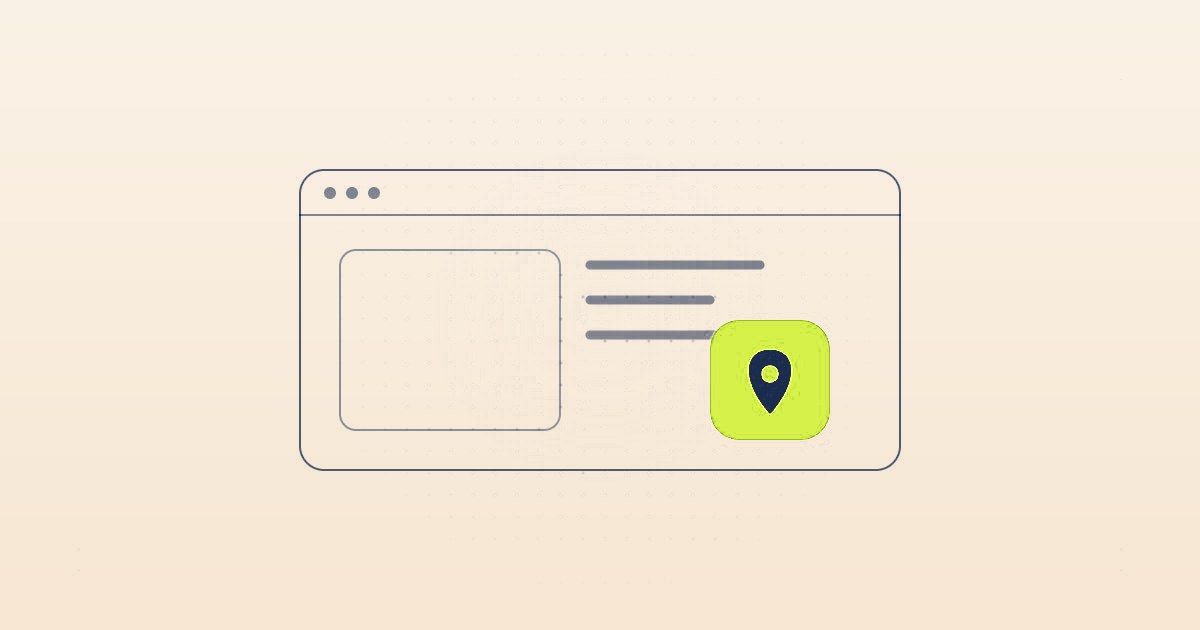
A brand sells online and at the same time in grocery retail in several countries. Many customers don't want to order, they want to know: where can I get this in a store? So for the relaunch we built in a store locator. It doesn't count as an online sale, but it's a real goal of the shop.
The case
People who discover a brand on the supermarket shelf then search for it online, often just to find out where to get it nearby. If they can't find that quickly, the chance is gone. At the same time, presence in retail strengthens trust in a young brand, even among those who buy online.
What a good store locator does
- Quick to reach. In the menu and on product pages, not hidden in the footer.
- Search by location. Enter a postcode or location, see the nearest stores, with a map.
- Current data. A store locator listing stores that no longer stock the product does more harm than none. Someone has to maintain the list.
- A plan B. No store nearby? Then order online directly, with a link to the product.
- Tie-in to repeat purchases. People who bought in a store can reorder online, subscribe or sign up for the newsletter.
The same relaunch added further features: reviews, chat, loyalty program, bundles, subscriptions and social commerce channels. The store locator is the link between the store and all of that.
What you can take away
- Not every goal of your shop is an online purchase. If you also sell in retail, "found in a store" is a real success.
- Connect online and offline. The store brings trust, the shop brings repeat purchases. Each strengthens the other.
- Maintain the data. Decide who keeps the retailer list up to date and how often.
- Always offer a next step. Anyone who can't find a store nearby should be able to order online right away.
Do you sell online and in retail? We build your shop so both work together.